



Table of Contents
- What Is an Entry Ban Code?
- What Does the V-67 Code Mean?
- In Which Situations Is the V-67 Code Applied?
- How Long Does the Entry Ban Last?
- Can the V-67 Code Be Removed?
- How Does the Removal Process Work?
- Frequently Asked Questions
- Conclusion and Legal Advice
1. What Is an Entry Ban Code?
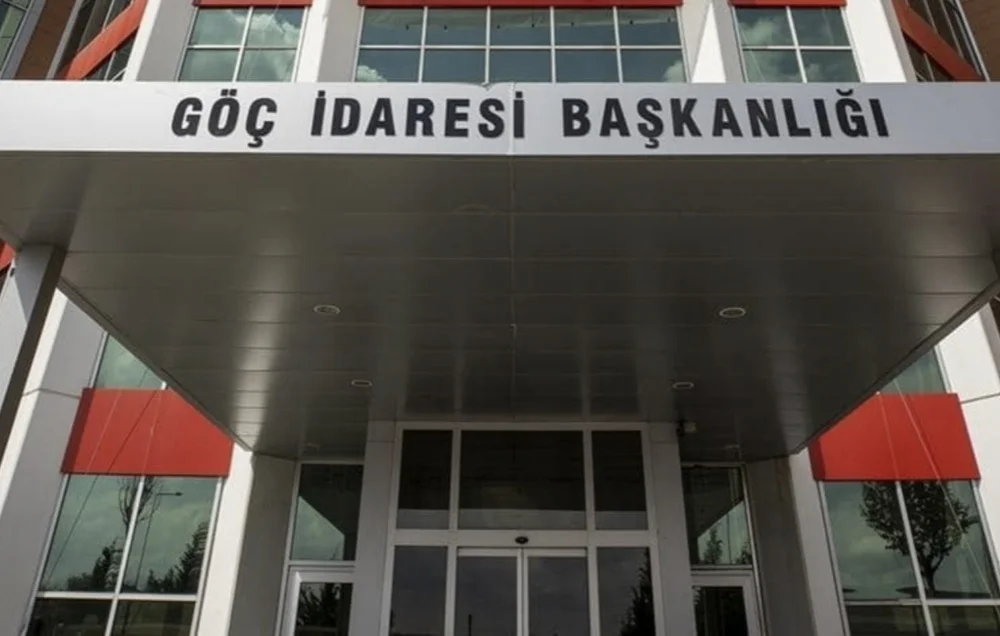
Entry ban codes, also known as restriction codes, are issued by the Directorate General of Migration Management (DGMM) of Turkey for foreigners attempting to enter or currently residing in the country. Each code refers to a specific legal or administrative issue, such as overstaying a visa, posing a threat to public safety, or illegal employment.
2. What Does the V-67 Code Mean?
The V-67 entry ban code is imposed on foreigners who are found to be working illegally in Turkey. This includes individuals working without a valid work permit, particularly in domestic services or other informal sectors.
In short: “Foreigners found to be working without authorization are subject to a temporary entry ban to Turkey.”
3. In Which Situations Is the V-67 Code Applied?
The V-67 code may be applied in the following circumstances:
- Working in Turkey without a valid work permit (especially in domestic services)
- Caught during labor inspections while working without insurance or registration
- Entering on a tourist visa but engaging in employment
- Discovered at the border while leaving Turkey after having worked illegally
Once detected, the individual is deported, and the V-67 code is entered into the immigration system, preventing re-entry.
4. How Long Does the Entry Ban Last?
Typically, the entry ban related to the V-67 code lasts 1 year. However, this duration can vary depending on:
- The length of illegal stay or employment
- Whether other restriction codes are also applied
- Repeated violations or aggravating circumstances
5. Can the V-67 Code Be Removed?
Yes, the V-67 code can be challenged and removed, but it is not automatically deleted. The affected person must submit a justified appeal or formally request the code’s removal through the DGMM. Each case is evaluated on its individual merits.
6. How Does the Removal Process Work?
To request the removal of the V-67 code, the following steps are recommended:
- Code Inquiry:
First, confirm the presence of the restriction code through the DGMM or at a border crossing. - Appeal Submission:
Submit a written petition to the Directorate General of Migration Management explaining your situation. - Representation by a Lawyer:
It is highly advised to conduct this process through a qualified immigration lawyer who can prepare a well-argued and legally sound application. - Extraordinary Grounds:
If there are special circumstances such as health issues, family unity, or education-related reasons, these should be documented and included in the appeal.
Note: In some cases, legal action through administrative courts may also be required to lift the ban.
7. Frequently Asked Questions
Does the V-67 code completely block entry into Turkey?
Yes. Even if you have a valid visa, you will be denied entry as long as the V-67 code remains active.
How long does it take to remove the code?
Depending on the case and administrative workload, the process may take from 2 weeks to several months.
Does the code get removed automatically?
No. While some codes expire after a set period, others—including V-67—may remain in the system until a formal removal request is made.
Where can I find a sample appeal letter?
Sample petitions can be obtained from the DGMM, but lawyers typically draft customized petitions based on the client’s situation.
8. Conclusion and Legal Advice
The V-67 code is a serious immigration restriction that results from unauthorized employment in Turkey. If you wish to re-enter the country and restore your legal status, having this code removed is essential.
Given the complexity of the process and the legal justification required, it is strongly recommended that you consult with a lawyer who specializes in Turkish immigration law. Proper legal representation significantly improves your chances of success and ensures that your rights are protected.
